
Spring foraging in Wisconsin: ramps and pheasant back
JUNE 30, 2026 · BY PAT
At the end of May my girlfriend and I spent a morning in a friend's woods outside the city. Late spring is a good window here: the canopy is filling in but the ground is still busy, and a slow walk turned up more than enough to bring home and put up for later.
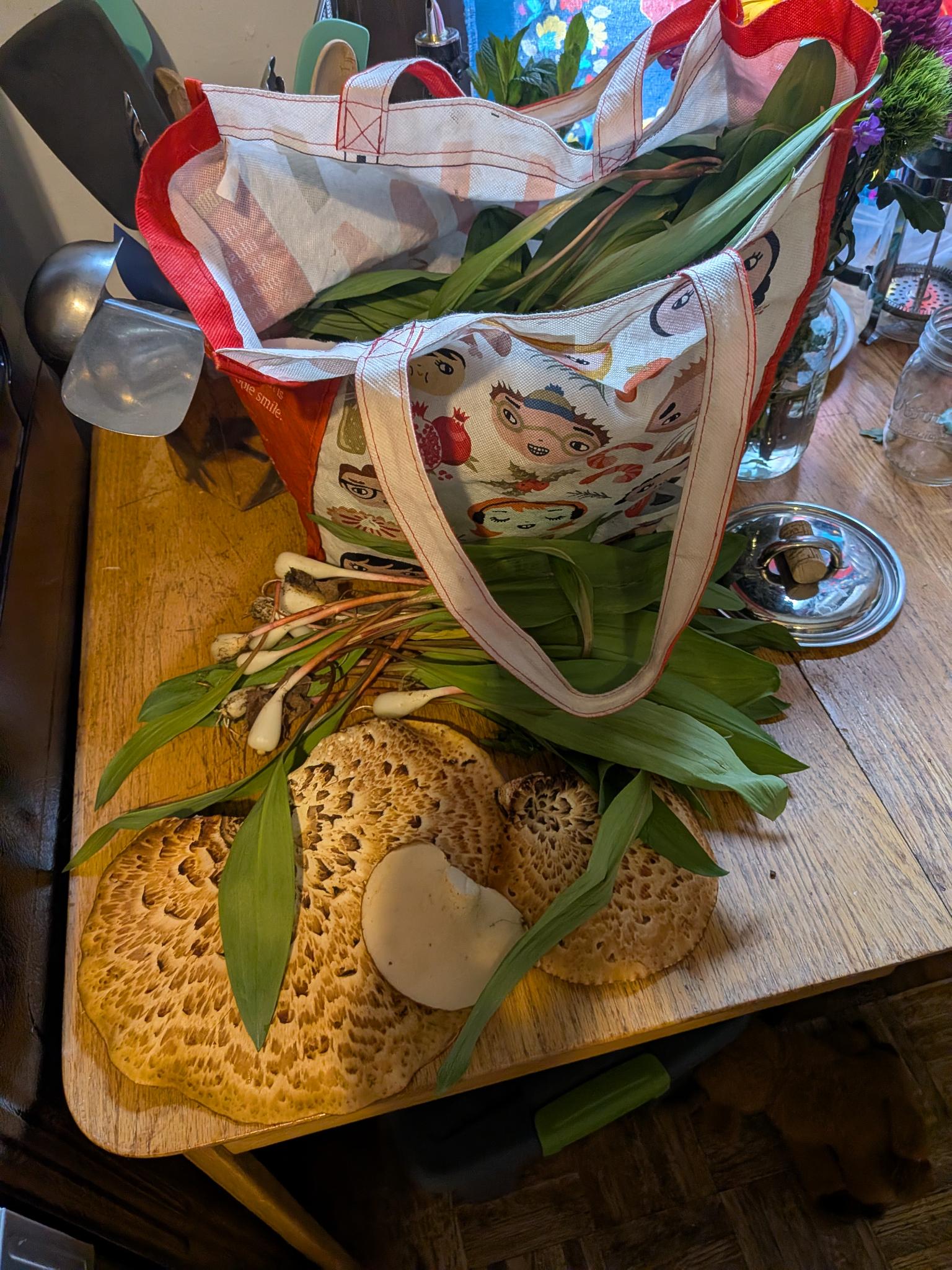
What we found
The two keepers were ramps (wild leeks) and pheasant back mushrooms (also called dryad's saddle). Ramps grow in patches across the forest floor, with broad green leaves and a slim bulb that smells unmistakably of garlic and onion when you pull one. Pheasant back is an easy mushroom to learn — a fan-shaped bracket with brown feather-like scales on top, smelling faintly of watermelon rind when fresh.
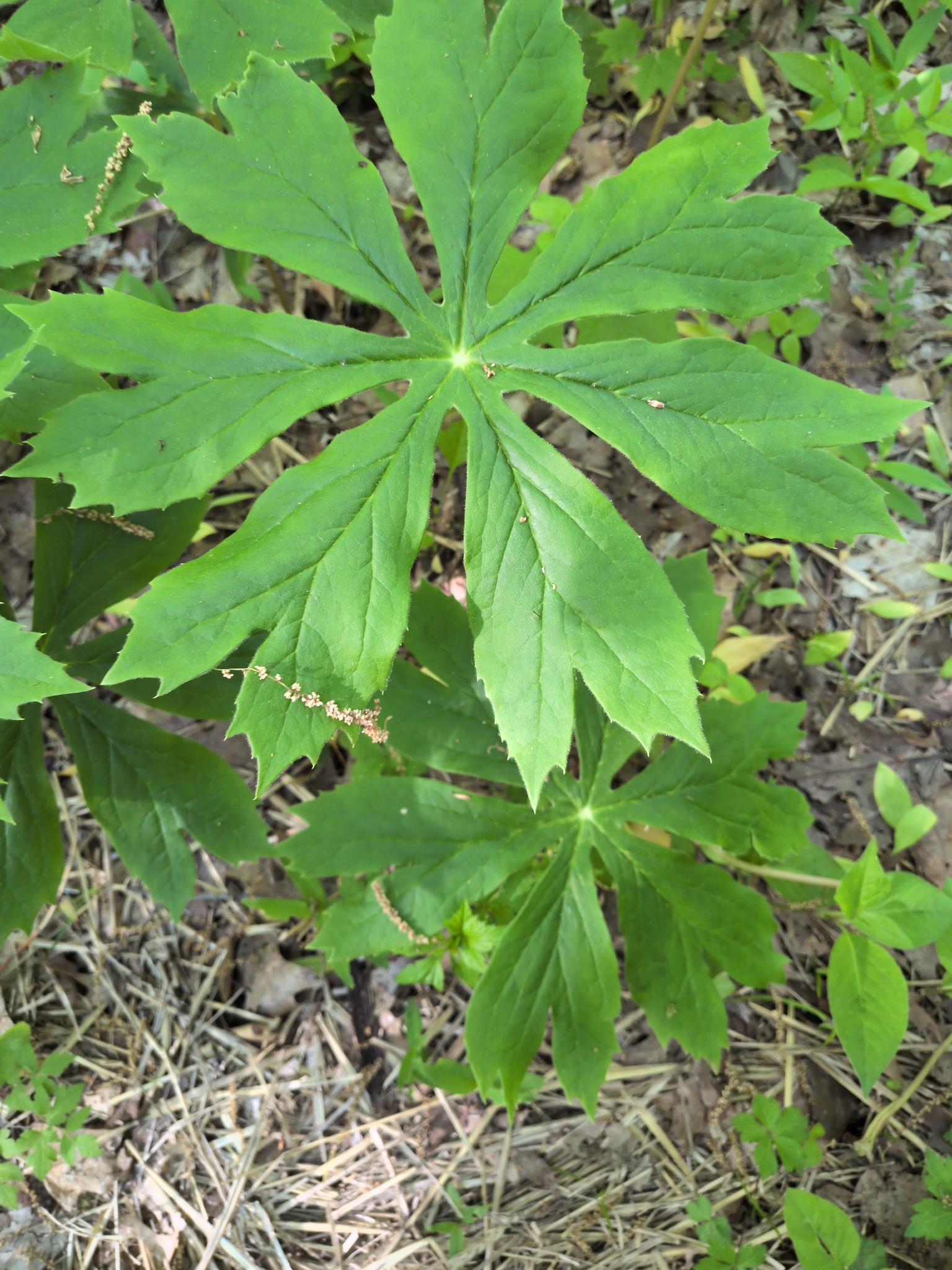
We also saw a lot of young mayapple coming up — those umbrella-leaved plants that carpet the understory this time of year. We left them be; the fruit isn't ready until later in the summer and the rest of the plant isn't something to mess with. Worth knowing on sight either way.
A note on taking only what you'll use
Ramps are slow to come back. A patch can take years to recover if it's stripped, so the rule we stick to is to harvest lightly — take a few leaves here and there, dig only a handful of bulbs from any one spot, and move on while the patch still looks untouched. You can have a good haul and still leave the colony healthy for next spring.
Cleaning and splitting the harvest
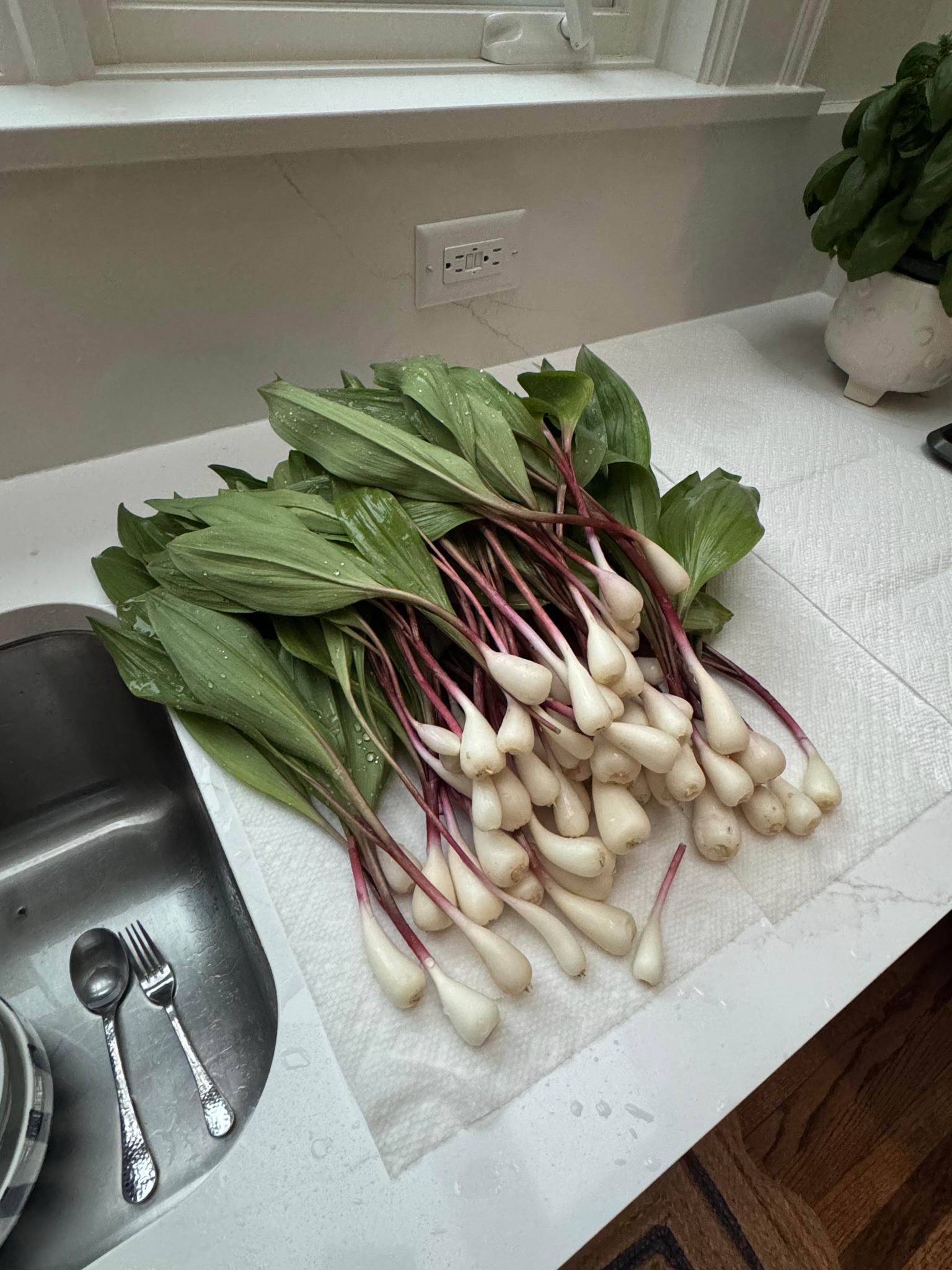
Back home the first job is a good rinse — ramps come up with grit packed around the bulbs. Once they were clean we split them the way they want to be used: the leafy greens and the white bulbs keep differently, so they each go their own direction.
Drying the greens
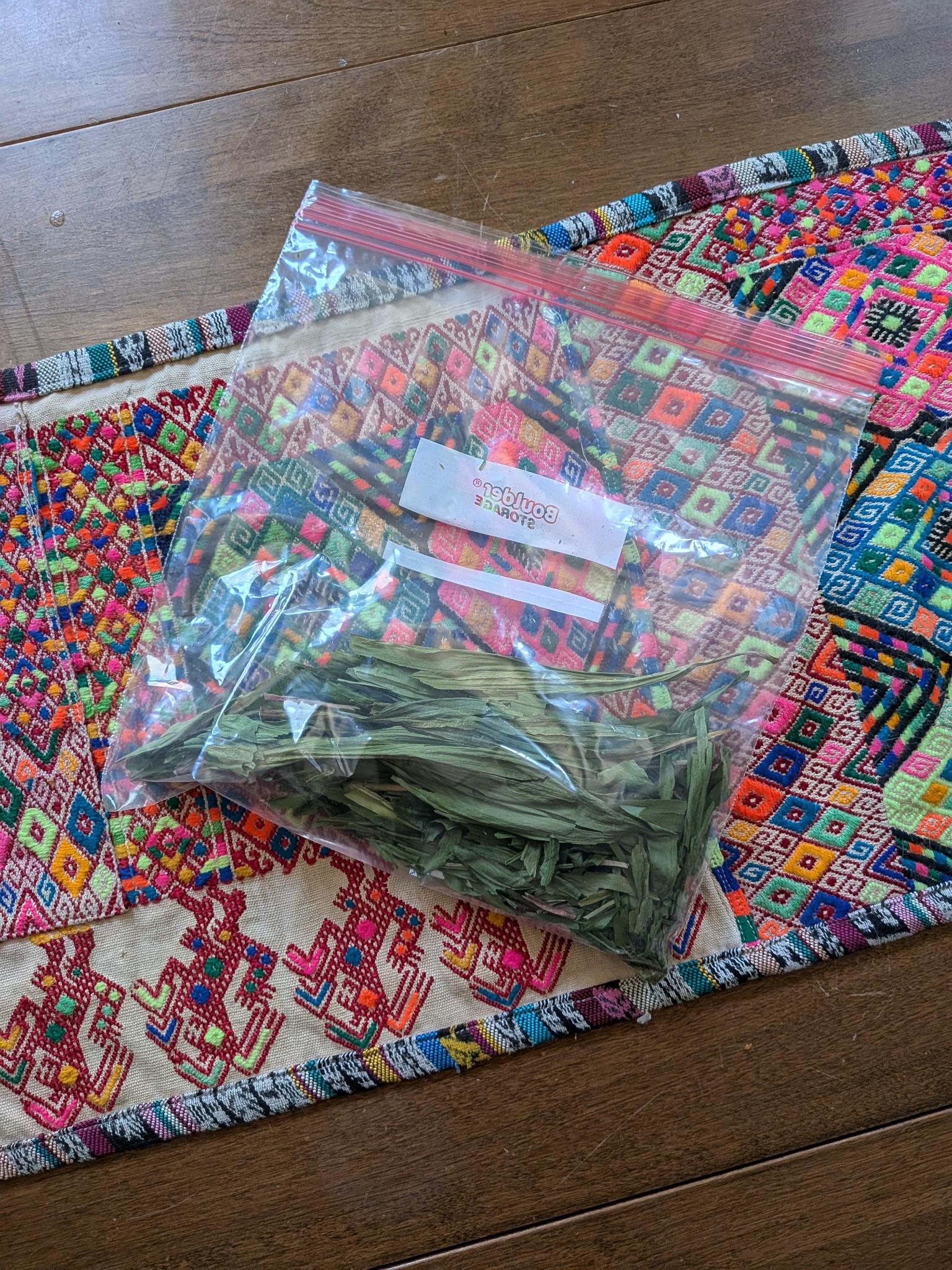
The greens we dried. Once they're crisp they crumble down to a fraction of their size and keep in a bag for months — a little goes a long way stirred into eggs, rice, or a pot of beans through the rest of the year. Fresh, though, the greens are the best part of the plant: we made a salad of them with a yogurt sauce and corn cut straight off the cob, and it tasted exactly like the season it came from.
Pickling and cooking the bulbs
The bulbs went two ways. Some we pickled — they make a sharp, garlicky pickle that's good on just about anything and holds in the fridge for a long while. The rest we just cooked like onions: into the pan with whatever we were making, treated as the aromatic they basically are. Between the pickle jar and the pan, not much went to waste.
The pheasant back we cooked fresh. It's best young and tender — sliced thin and sauteed — and it doesn't keep the way the ramps do, so it doesn't sit around waiting.
Keeping track of what we put up
The one thing that's easy to lose track of is when you put something up. A jar of pickled ramps and a bag of dried greens both look fine on the shelf months later — the question is whether you remember how long they've actually been there. We log ours in BeaglePrep so the pickle date and the dry date are written down, not guessed at, and the jar in the back doesn't outlast the one in the front.
Get BeaglePrep free on Android if you want a simple place to track what you've stored and when.